Nobody repipes on a schedule. A house gets new supply lines once the old ones begin to fail, once they turn out to be a problem material, or once repairs have become routine. Copper and well-installed PEX can last decades, while polybutylene and old galvanized steel are on borrowed time. The wider job is explained in the repipe house guide.
Is there a normal lifespan for house pipes?
Only a range, which shifts with the pipe material and the quality of the water flowing through it. Copper is often credited with half a century or more in friendly conditions, galvanized steel with something closer to forty to sixty years, and PEX is newer, so its long-term record is still being written.
An age figure should send you to inspect the pipes, and it is never a final ruling. Hard water, high pressure, a poor installation and soil or concrete contact can shorten a copper line, while a gentle supply can let it outlive the house. What matters is the condition of your lines, which a plumber can read from leaks, stains and pressure behavior.
Which pipes in a Murrieta house are the likeliest to need replacement?
Most Murrieta homes are newer. According to census-based housing data, the median year Murrieta homes were built is near 2000, so the usual candidates are copper from that era, PEX or CPVC. The highest-risk types, polybutylene and galvanized, are more likely in the older pockets of town and in homes built before the mid 1990s.
A house built around 2000 is only a couple of decades along, so a full repipe is unusual unless something specific is going wrong, such as pinhole leaks in copper. For houses built before the mid 1990s, check what is in the walls. Details by material are on polybutylene replacement and galvanized pipe replacement.
What signs say the pipes are failing?
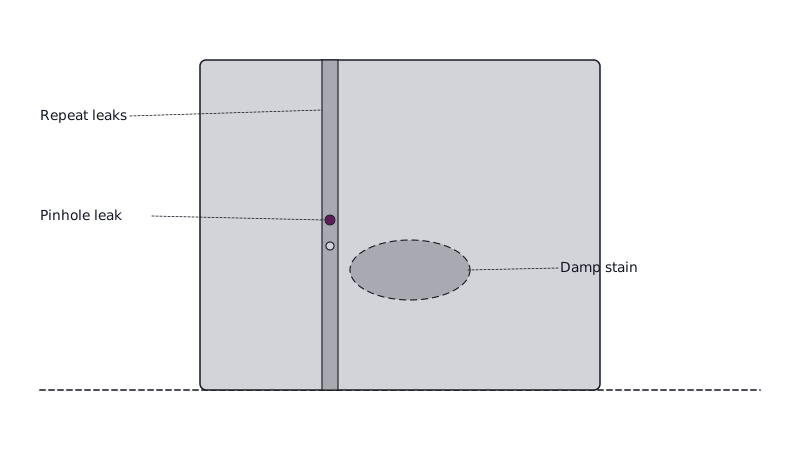
Watch for leaks that keep showing up in new places, brown or rusty water from a tap, weak flow caused by corroded pipe interiors, green stains on copper, and damp spots that come back after a repair. A single leak calls for a repair. Several leaks in a pattern usually start a repipe conversation.
More warning signs: a water bill that creeps up, wall stains you cannot trace, pressure dropping through the whole house, and a damp, musty odor in a closet. The EPA puts the average annual loss from household leaks above 9,300 gallons, so unexplained use deserves a meter test before you assume the pipes are fine.
Do pinhole leaks mean you have to repipe?
Not automatically. A single pinhole in copper can be cut out and patched. If new ones keep showing up, water chemistry, fast flow velocity or a poor flux job is often to blame, and each hole brings more water damage. Then it is time to weigh repair costs against a repipe.
One-off fixes are covered in repairing a pinhole in copper pipe. A plumber can sometimes inspect the inside of a cut section to judge the rest of the line, and that says more than the house's age does.
Which lasts longer, PEX or copper?
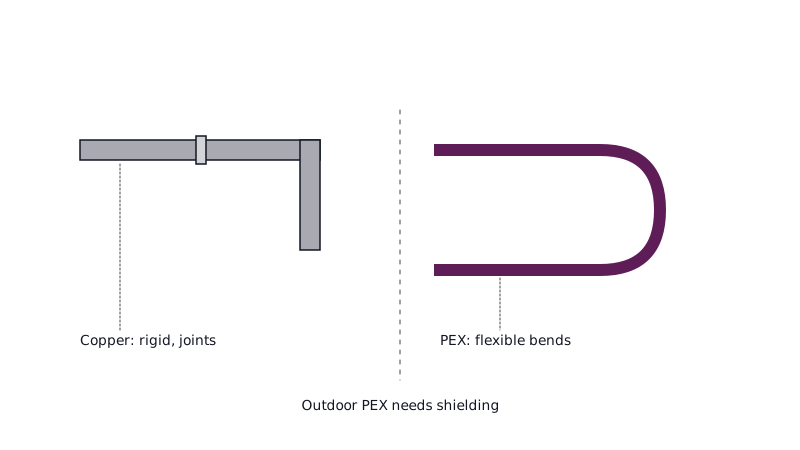
Copper has the better-proven record. PEX resists scale and pinholes, tolerates a freeze better and is faster to install, but it can degrade under sunlight, so exposed PEX outdoors needs shielding, and some fittings have had issues over the years. Neither is a clear winner for every house.
A head-to-head look is in PEX versus copper. For the money side, PEX repipe cost and repipe house cost explain what drives the price.
What can you do before a full repipe?
Keep water pressure at or below the code limit of 80 psi using a working regulator, fix drips quickly, flush and soften when the water is extremely hard, and locate your main shutoff now. These steps slow wear and limit damage if a line goes.
A moisture meter or a thermal camera in the hands of a plumber can find damp walls without opening them. If a leak sits in the concrete slab, the question changes: slab leak repair or repipe walks through the choice.
What approvals does a repipe need?
A repipe generally needs a permit and inspection, plus a contractor who has a state contractor license, since the work is far beyond the small-job dollar cap that the Contractors State License Board sets. The City of Murrieta Building and Safety Division, Wildomar and Riverside County each run their own permit process, depending on where you live.
Ask the plumber who pulls the permit, and whether the price covers the inspection. The permit itself is not the main cost, but skipping it can complicate insurance and a later sale.
Common questions
Should I repipe before selling the house?
Not usually unless the pipes are a known problem type or a buyer's inspection flagged them. Polybutylene or active leaks can make a house harder to sell or insure, so a repipe can pay off. A sound copper or PEX system rarely needs it. Ask a plumber for an inspection report you can show.
Is a partial repipe possible?
Yes. A partial repipe replaces a single failing run, for instance the lines to a bathroom or the slab portion, and leaves sound pipe alone. The price is lower, but it joins old and new, and the rest may fail later. Ask the plumber to explain what condition the remaining pipes are in.
Do I need to leave the house during a repipe?
Usually not, but expect the water to be shut for several hours a day, and wall cutting brings dust and noise. You may need to shower somewhere else for a day or two. Ask the plumber about the schedule and where fixtures will be hooked up temporarily.
Is a house built after 2000 safe from repipes?
Mostly, but not always. Pinholes in copper and fitting failures have appeared in newer homes, and poor water or pressure control can age any pipe. A house under 25 years old with no leak history gives you no reason to repipe. Keep an eye on the signs listed above.
What is the way to have a plumber inspect my pipes?
Send your details through the quote page. We hand the request to one nearby plumbing business; it pays this site a fee for the lead and does the inspection and work under its own name. See how it works for the rest, and find other jobs on the home page.
Last changed